Simonb Actually quite simple:
If you want to produce sound, you need a surface that moves the air, making soundwaves.
In a regular speaker this is done by membranes, driven by a magnet. The area that moves the air is rather small, therefore you are listening to point-like source.
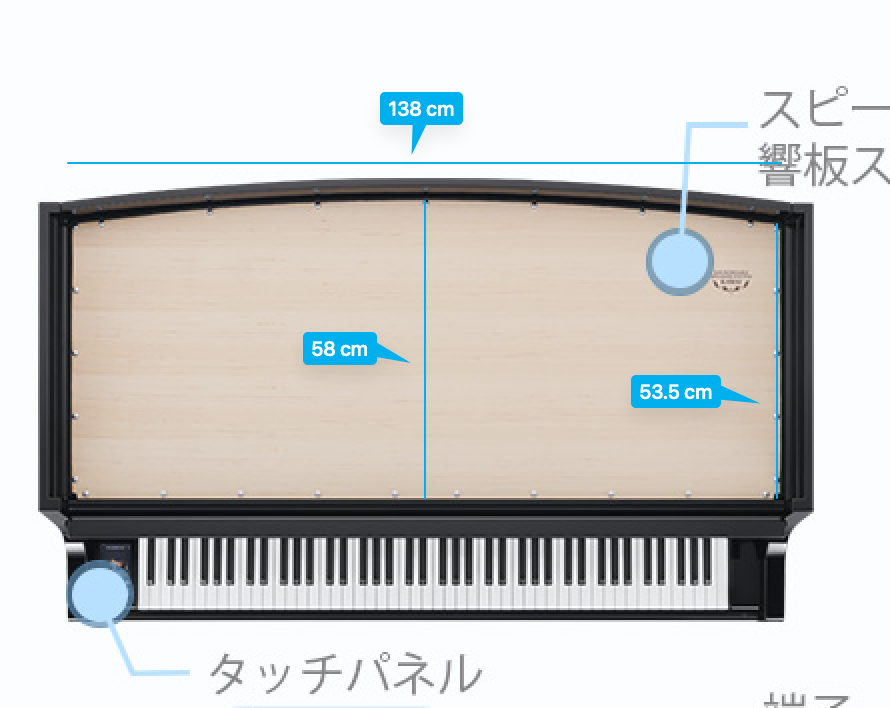
In an acoustic piano, a string transmits its vibrations over a bridge to a soundboard. Then soundboard moves the air. The area of the soundboard is rather big and therefore makes up for a different hearing experience compared to a regular speaker with a small membrane.
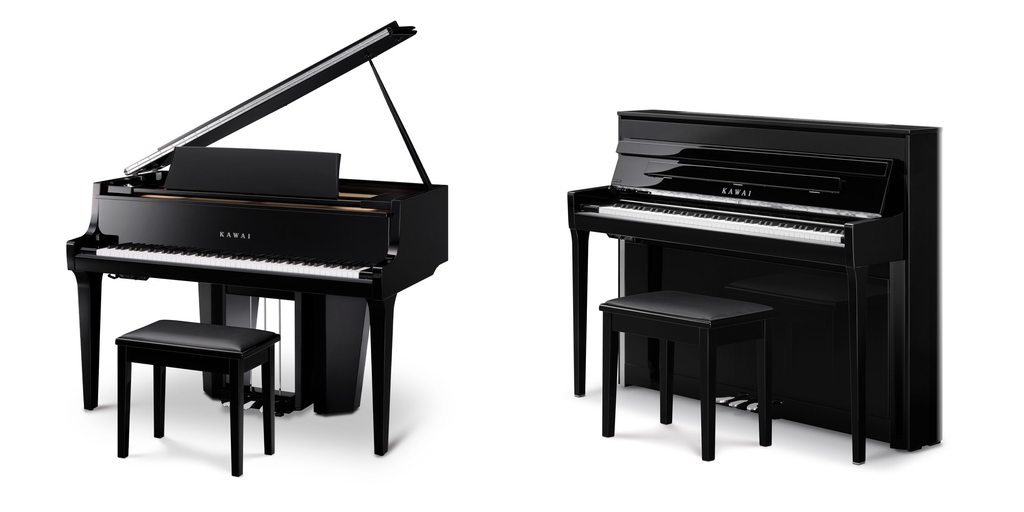
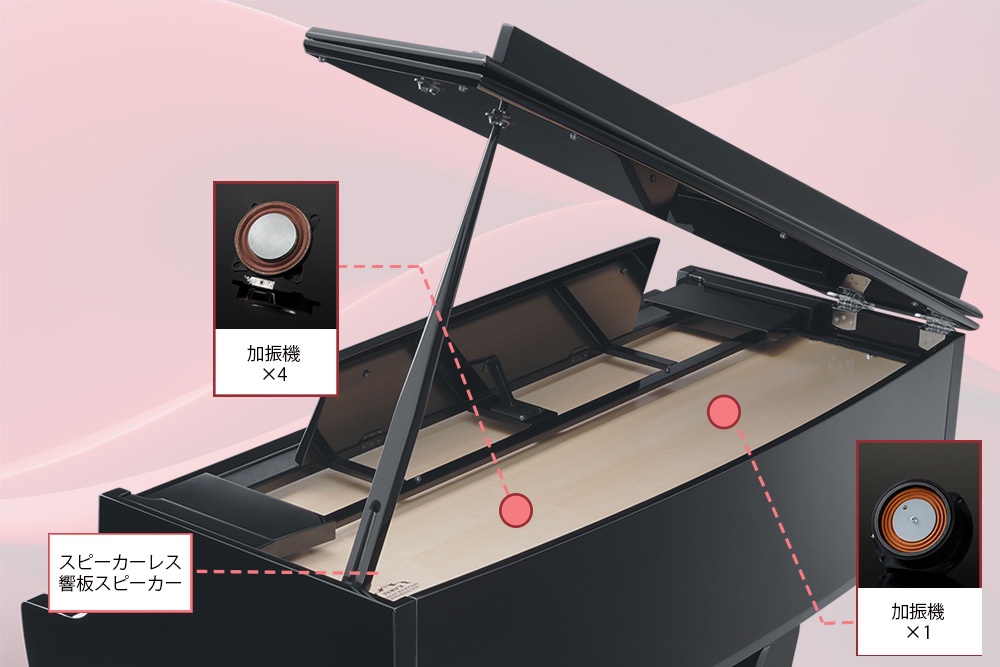
A digital like the CA901, NV5 or NV12 tries to mimic an acoustic piano by the usage of a soundboard with a rather big area. But instead of a vibrating string, it is a transducer that responsible to stimulate the soundboard. Just think of the transducer to work like the magnet of a regular speaker. But it is attached to big wooden soundboard instead of a rather small membrane.
My english is not the best in terms of audio engineering, still I hope you get my point.